HealthCrew.ai reflects on Vercel Ship 26 London, where our team explored agentic infrastructure, D0, production AI agents, DevOps, secure identity, and the future of AI-native healthcare platforms.
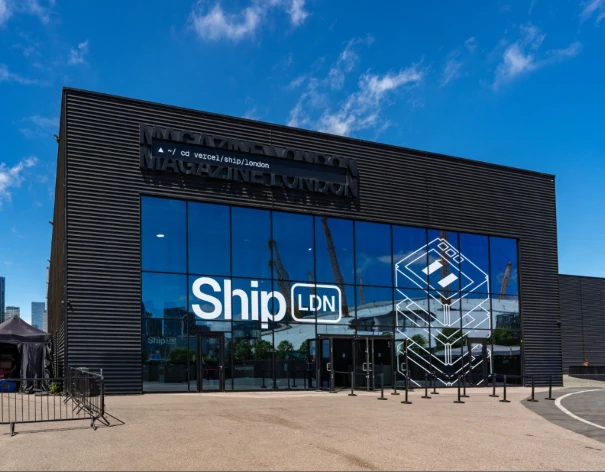
By the time we arrived at Magazine London on 17 June 2026, the event already had the unmistakable feel of a builder's room. Developers were gathering outside the entrance, founders were comparing product notes, engineers were opening laptops between conversations, and every second discussion seemed to circle back to the same question: how do we move AI from impressive demos into software people can trust every day?
That question is exactly why Vercel Ship 26 London mattered to us. The HealthCrew.ai team did not attend simply to hear announcements. We went to understand the engineering direction behind AI-native applications: agentic infrastructure, AI Gateway patterns, production observability, secure identity, developer workflows, mobile testing, voice agents, and the operating discipline required when automation becomes part of real business work.
For healthcare technology, those ideas are not abstract. Future platforms will need to coordinate data, people, credentials, compliance checks, candidate journeys, and operational decisions with more intelligence than traditional web applications were designed for.
First impressions at Ship London
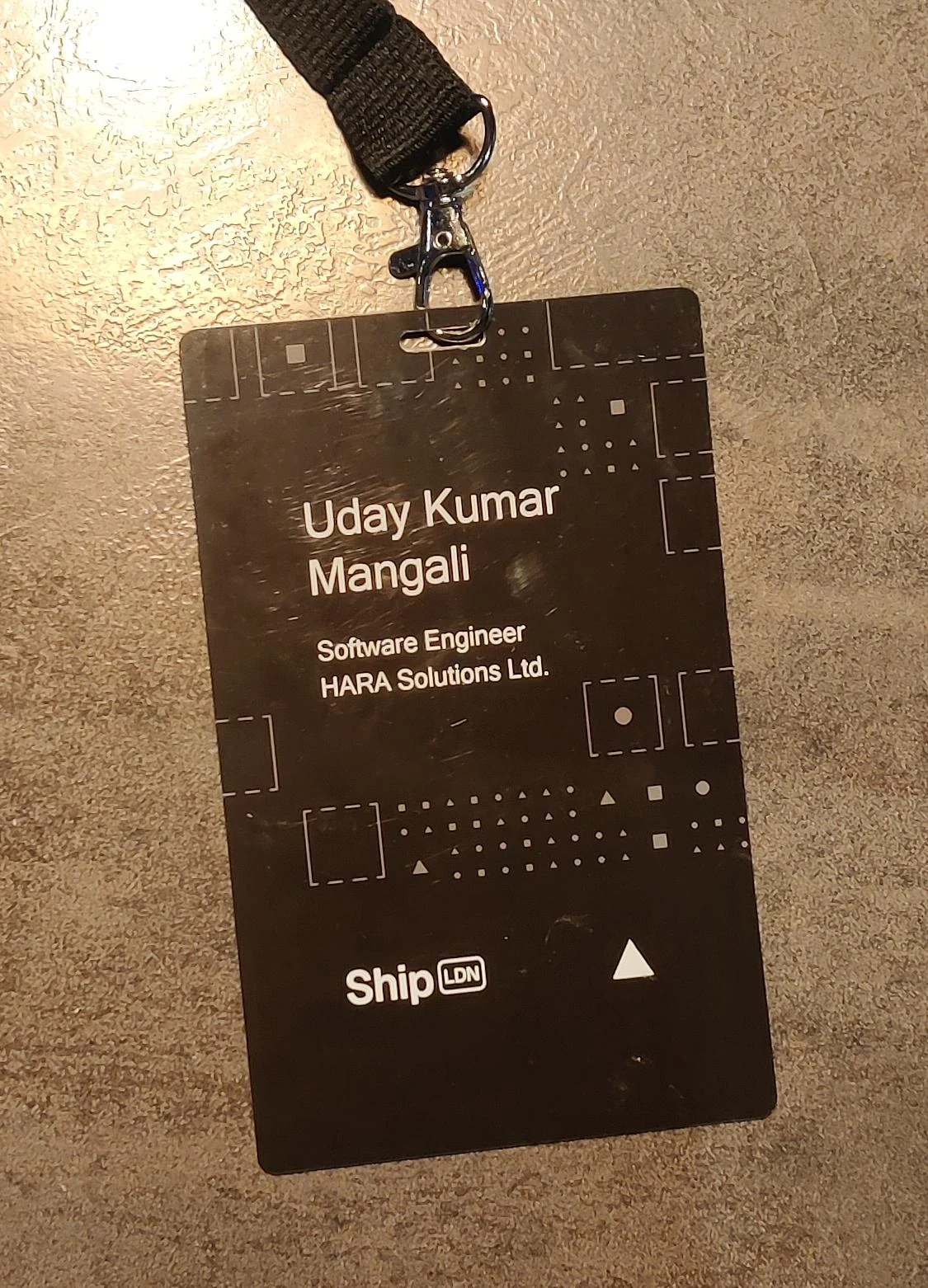
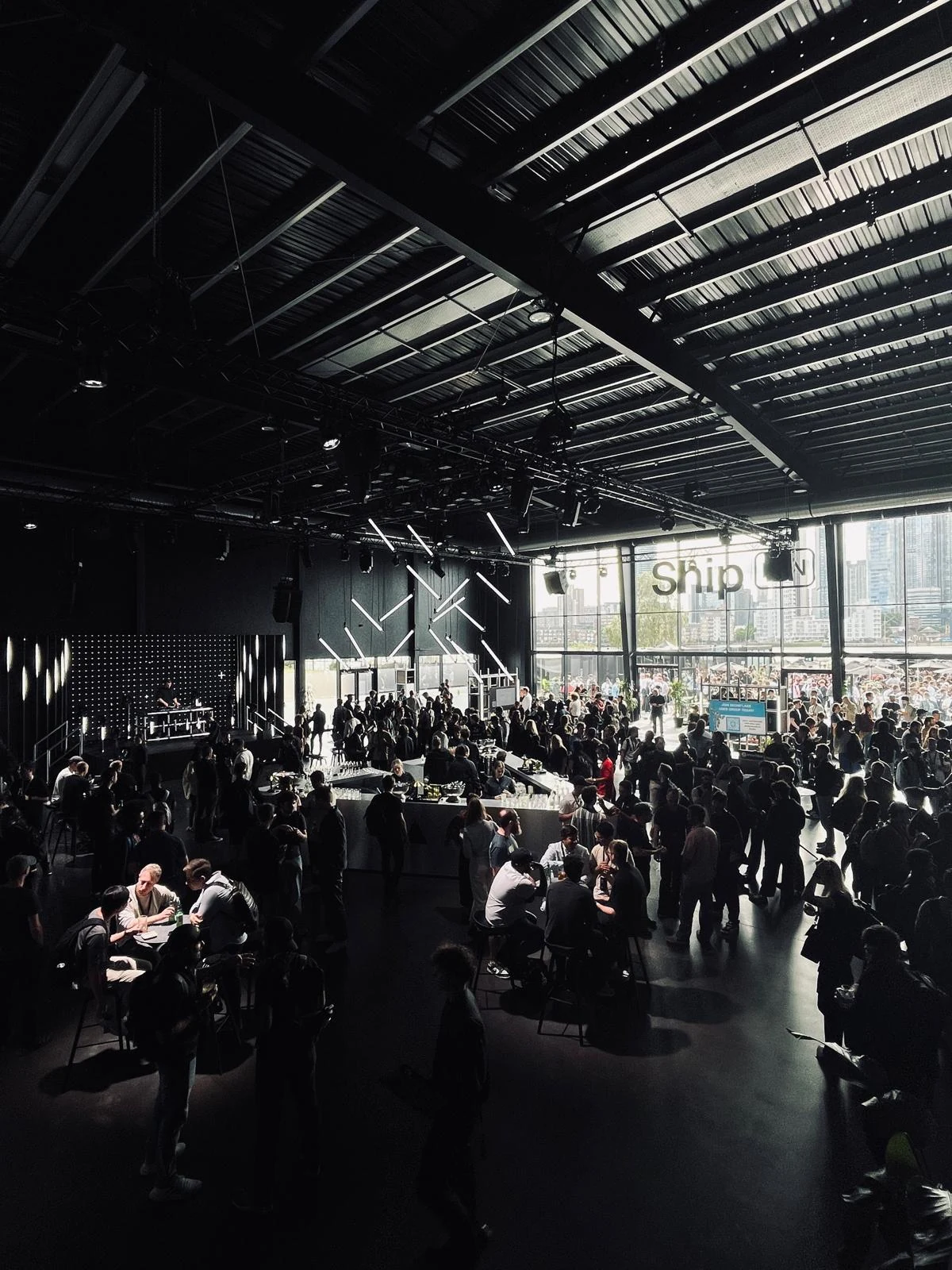
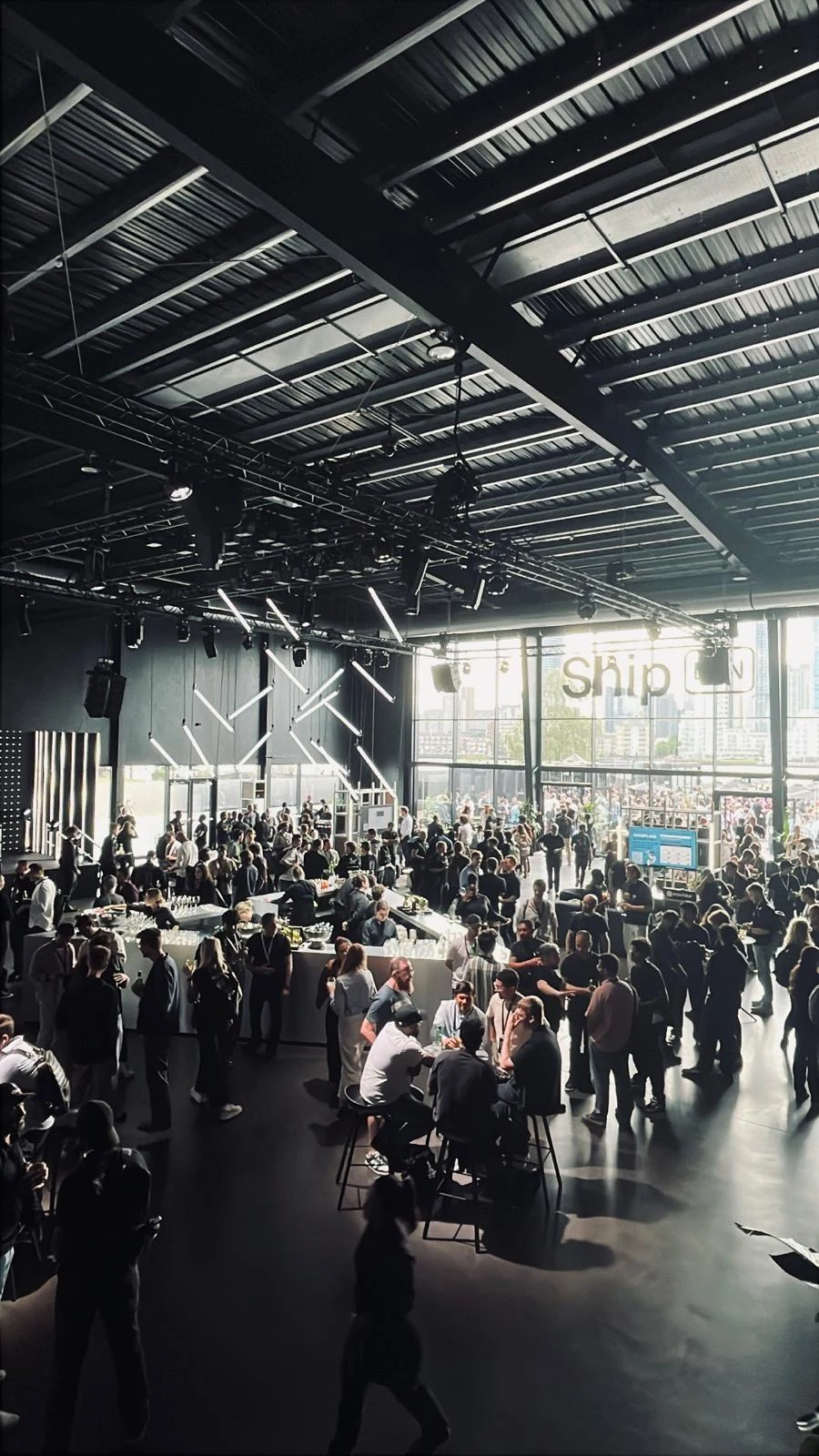
The first moments inside the venue made the theme of the day feel tangible. Registration moved quickly, badges were clipped on, sponsor booths were already busy, and small groups formed around coffee tables before the keynote began. You could hear conversations about tool calling, model routing, AI SDKs, customer support automation, and the practical limits of current agent systems.
What stood out was how grounded the conversations were. People were not only asking what AI could do. They were asking how to deploy it, observe it, secure it, and explain it to teams that rely on software under pressure. That made the event especially relevant for us. Healthcare recruitment technology is full of high-context workflows where speed matters, but trust matters more.


"The hard part of AI begins after the demo."
Opening moments and the AI-native future
The opening keynote framed AI-native development as an architectural shift, not a feature trend. Guillermo Rauch's message was less about adding a chatbot to a page and more about rethinking how applications behave when intelligence, context, and action become part of the product layer.
That distinction matters. Traditional applications often wait for users to navigate forms, interpret dashboards, and decide the next step. AI-native applications can begin to assist with that reasoning: asking the right follow-up question, calling a tool, summarising a workflow, or preparing the next action with a human still in control.
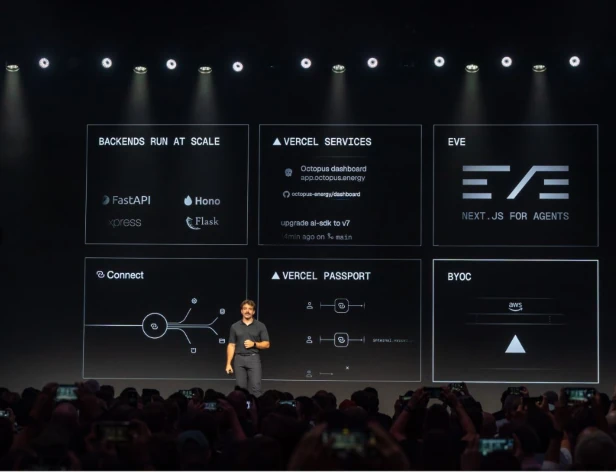
For healthcare platforms, this shift could be significant. A credentialing workflow, onboarding journey, compliance review, or workforce planning dashboard is rarely a single interaction. It is a sequence of small decisions across roles, permissions, documents, and deadlines. The opportunity is not to replace human judgement, but to reduce friction around the repetitive work that slows teams down.
Agentic infrastructure: beyond AI demos
From the keynote, the day moved naturally into the infrastructure question. If software is going to delegate more work to agents, those agents need more than prompts. They need orchestration, tool invocation, streaming, structured outputs, resilience, and observability.
The session "Claude Managed Agents on Vercel's Agentic Infrastructure" by Andre Balleyguier from Anthropic stood out because it treated agents as production systems. The discussion was practical: how agents call tools, how they stream responses, how they parse structured output, how they recover from failures, and how teams keep enough visibility to debug behaviour after deployment.
Agentic Infrastructure
- Key Idea
- Agents need runtime infrastructure for orchestration, tool use, streaming, structured output, and recovery.
- Why It Matters
- A useful agent has to be reliable when the workflow becomes messy, not only when the demo path is clean.
- Healthcare Perspective
- Healthcare platforms will need trustworthy agents that can respect permissions, support auditability, and help users complete operational workflows safely.
The HealthCrew.ai takeaway was simple: production AI is an infrastructure problem as much as an AI problem. The model matters, but so do the boundaries around it: which tools it can use, which data it can see, how failures are surfaced, and how humans remain involved when judgement is required.
"Production AI is an infrastructure challenge as much as an AI challenge."
D0 - Vercel's AI-powered data agent
Once reliable agent infrastructure exists, the next question becomes more interesting: what useful work should agents perform? That made D0, Vercel's AI-driven data analysis agent and text-to-SQL companion, one of the more practical examples of the day.
D0 points toward a familiar product problem. Many teams have data they cannot fully use because only a few people understand the schema, the reporting tools, or the correct SQL patterns. D0 suggests a different path: let users ask questions in natural language, translate those questions into secure SQL, and constrain the response through permissions, semantic context, and sandboxed execution.
What made the example memorable was the discipline around it. Vercel discussed reducing specialised tools by nearly 80%, which improved speed, reliability, token usage, and reasoning quality. That resonated with us. More tools do not always make an agent better. Sometimes a smaller, clearer set of actions creates a more dependable system.
D0 and Data Access
- Key Idea
- Natural-language data questions become secure, permission-aware SQL through a semantic layer and controlled execution.
- Why It Matters
- Better data access can reduce dependency on specialist reporting tools and help teams move from question to insight faster.
- Healthcare Perspective
- These ideas highlight future opportunities around workforce analytics, compliance reporting, credential tracking, recruitment metrics, and operational dashboards.
AI agents in production
The production theme kept returning in different forms. Shopping agents from Currys and Elkjop showed how conversational commerce can turn a customer journey into a more guided experience: not just search, filter, and checkout, but dialogue, context, product reasoning, and recommendations that feel closer to a knowledgeable assistant.
The Vercel support agent was another strong example because it moved from possibility into operations. Automating a large share of support tickets, including the reported 90% automation pattern discussed at the event, changes the economics of support and raises the right questions: what should be automated, what should be escalated, and how do teams measure quality?
The CTO Panel: Agents in Production expanded that conversation beyond implementation. Enterprise adoption requires governance, trust, organisational change, and a shared understanding of where automation belongs. The most mature teams seemed less interested in magic and more interested in operating models.
For healthcare platforms, the parallel is clear. Agentic workflows may eventually assist with candidate onboarding, compliance triage, credential reminders, document review, or recruitment analytics. But in regulated and people-sensitive environments, automation has to be explainable, scoped, and accountable.
The DevOps angle
By the middle of the day, one point felt unavoidable: AI engineering is becoming part of DevOps and platform engineering. Prompt quality still matters, but production AI also needs gateways, routing, observability, latency management, cost controls, retries, secure execution, and release discipline.
The AI Gateway conversations were especially useful. Gateway patterns help teams route models, monitor usage, manage provider complexity, and create a more stable layer between application code and model infrastructure. That is the kind of abstraction engineering teams need when AI becomes part of the product rather than an experiment beside it.
AI Gateway and DevOps
- Key Idea
- AI Gateway patterns give teams a controlled layer for model routing, observability, latency, cost, and provider resilience.
- Why It Matters
- Production AI needs release discipline, monitoring, and operational controls just like any other critical service.
- Healthcare Perspective
- Healthcare workflows involving candidate records, compliance documents, or workforce decisions need infrastructure that can be monitored, audited, and improved over time.
The session Software That Ships Itself pushed this idea further. Autonomous deployment and AI-assisted DevOps are still emerging, but the direction is visible: software teams are beginning to automate not only code generation, but testing, release preparation, infrastructure feedback, and operational response.
Security and identity
The Auth0 session, "Don't Give Your Agent the Master Key", captured one of the most important principles of the day. AI agents should not receive broad access just because they can automate work. They need authentication, authorization, least privilege, scoped permissions, and identity-aware workflows.
That point deserves emphasis in healthcare. If an agent is helping with onboarding, compliance, credentialing, or workforce operations, it must understand what the user is allowed to do. Secure agents cannot simply be intelligent. They have to be bounded.
Security and Identity
- Key Idea
- Agents need identity-aware access, least privilege, and clear authorization boundaries.
- Why It Matters
- The more capable an agent becomes, the more damage unrestricted access can cause.
- Healthcare Perspective
- Trustworthy healthcare platforms need agents that respect user roles, sensitive data boundaries, audit trails, and compliance obligations.
"Healthcare platforms will need trustworthy agents, not just intelligent ones."
Developer productivity, voice AI, and mobile testing
Several sessions focused on the engineering workflow itself. The OpenAI Codex and Vercel session showed how AI-assisted engineering is becoming part of the way teams write, review, and ship software. The feedback loop gets tighter when AI can help navigate code, propose changes, and accelerate routine implementation work.
Callstack brought a different angle with cloud agents for mobile app testing, where agent-driven checks can catch issues earlier across devices. ElevenLabs added the voice layer, pointing toward conversational interfaces that could one day support healthcare communication, onboarding reminders, candidate guidance, or operational workflows where speaking is easier than navigating a form.
Our team experience
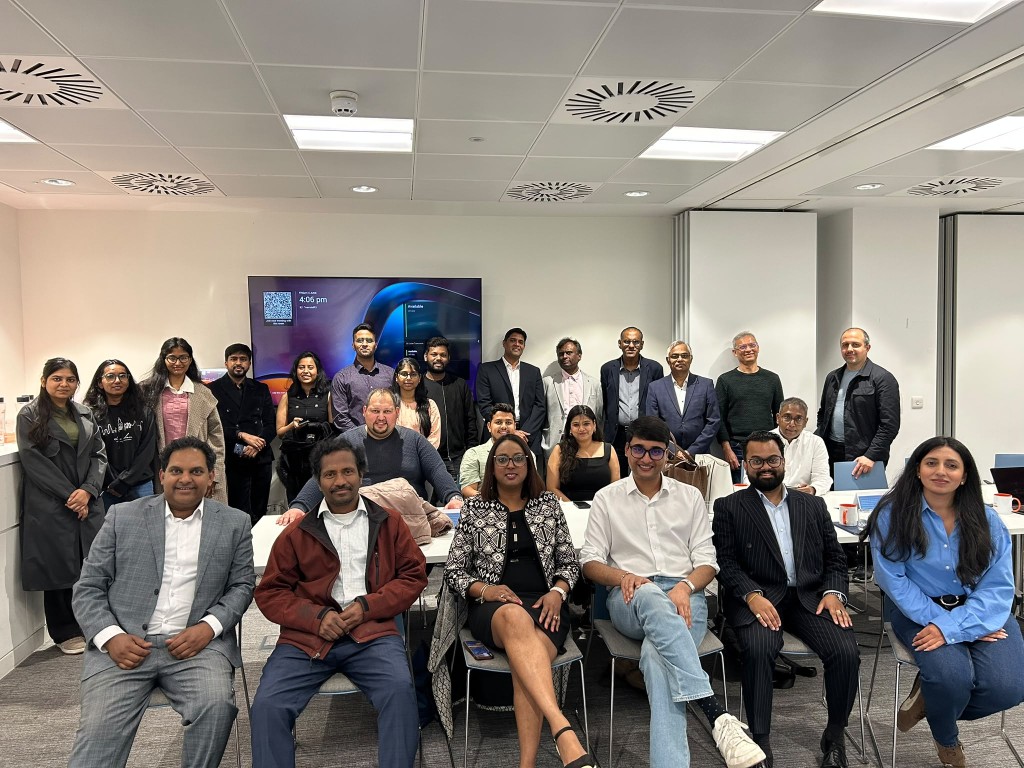
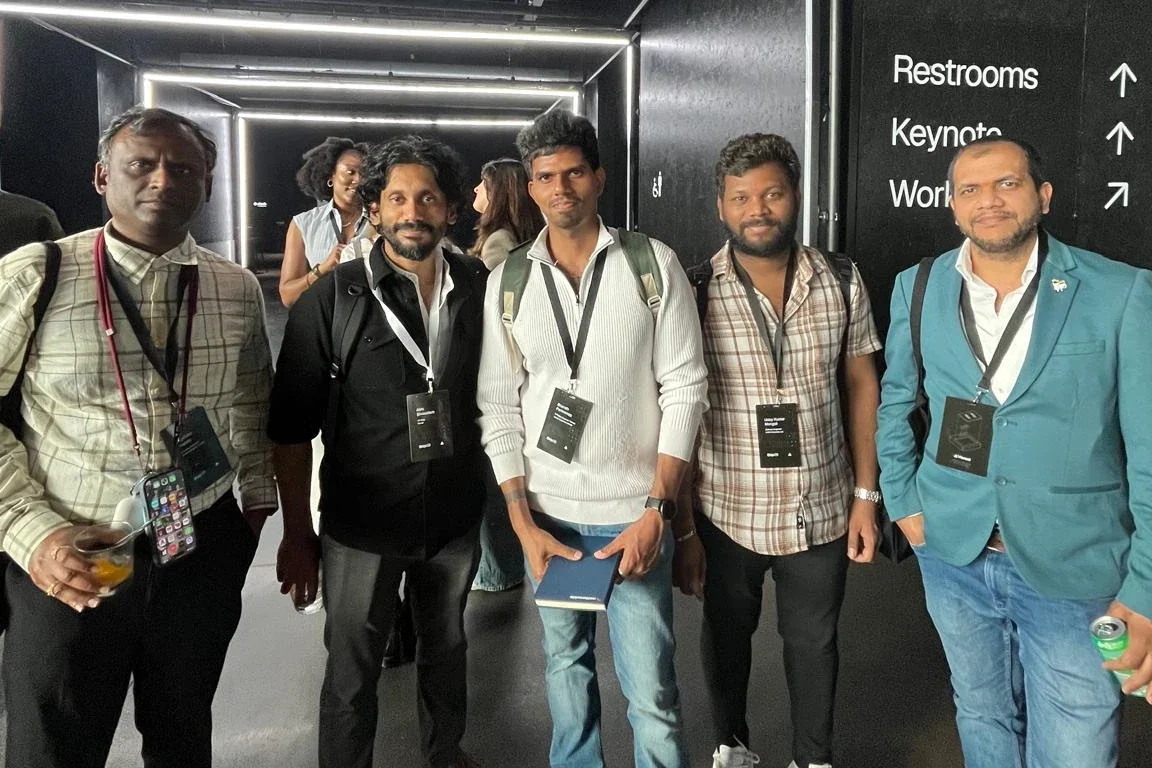
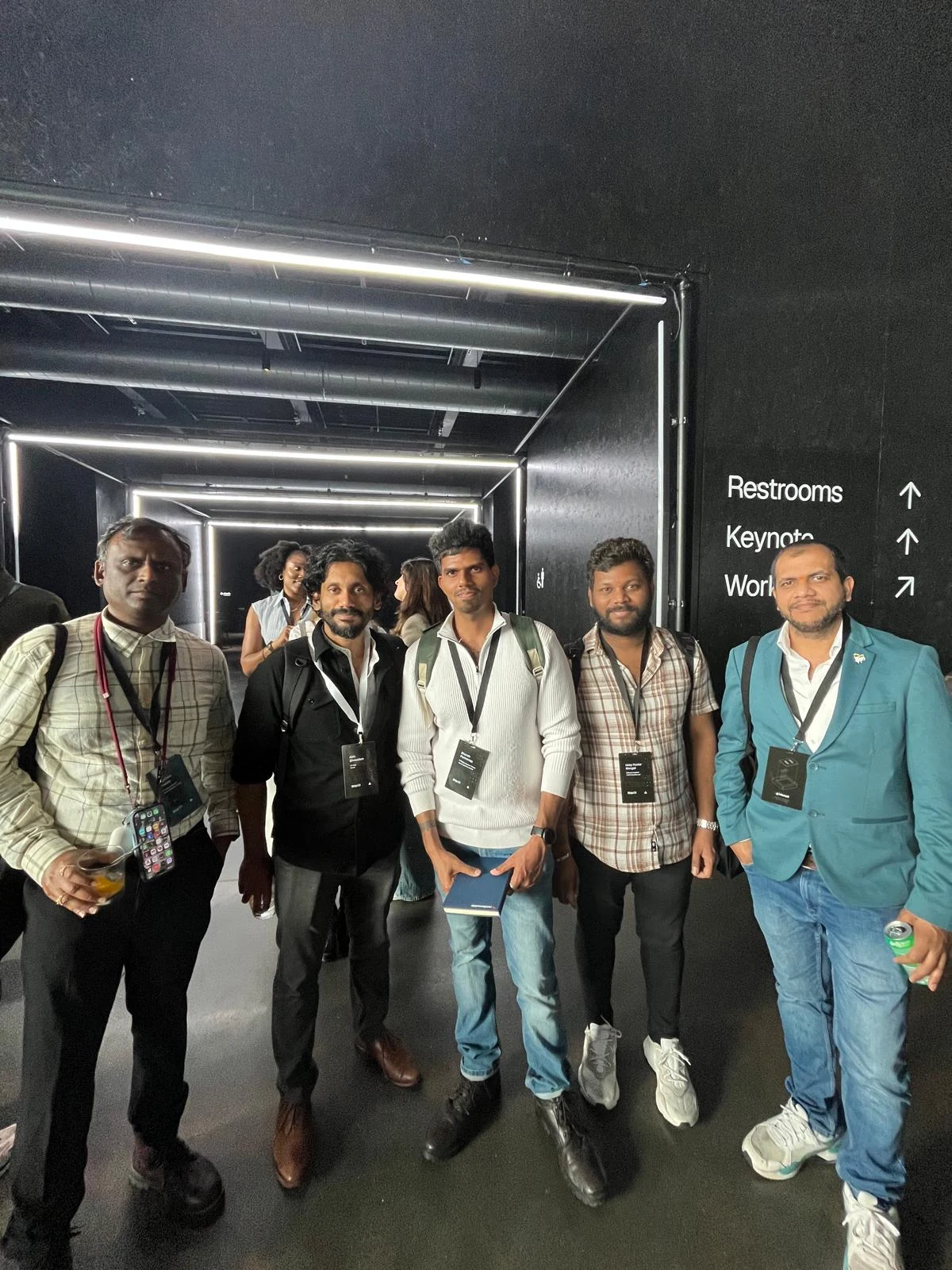
The best part of the day was that we attended as a team. Basava Rajendra Alapaty, Laxman, Bhargav, Bharath, and myself arrived together, collected badges, walked through the venue, explored sponsor booths, and kept returning to the same practical question: what do these ideas mean for the healthcare platforms we are building?
After the opening sessions, we compared notes on the keynote and the infrastructure themes. Some of us focused on AI Gateway and model routing. Others were more interested in agent observability, support automation, or secure identity. Those small conversations mattered because they translated conference ideas into product thinking.
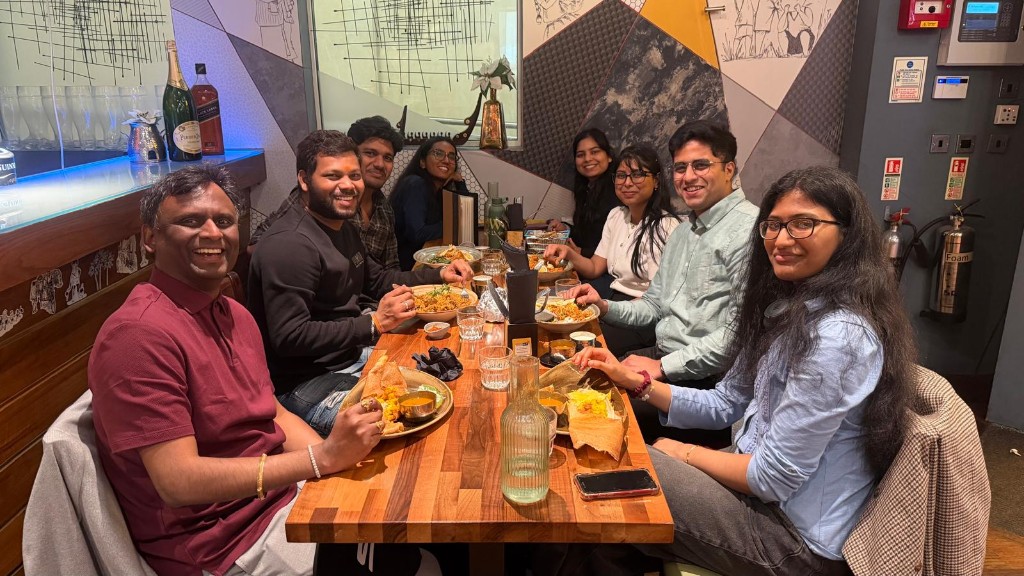
Lunch gave us time to slow down. We had healthy vegetarian food, discussed favourite sessions from the morning, and debated what production AI might look like in healthcare recruitment. The conversation moved from DevOps to compliance automation, from credential tracking to candidate onboarding, and from analytics to the limits of automation in human-centred workflows.
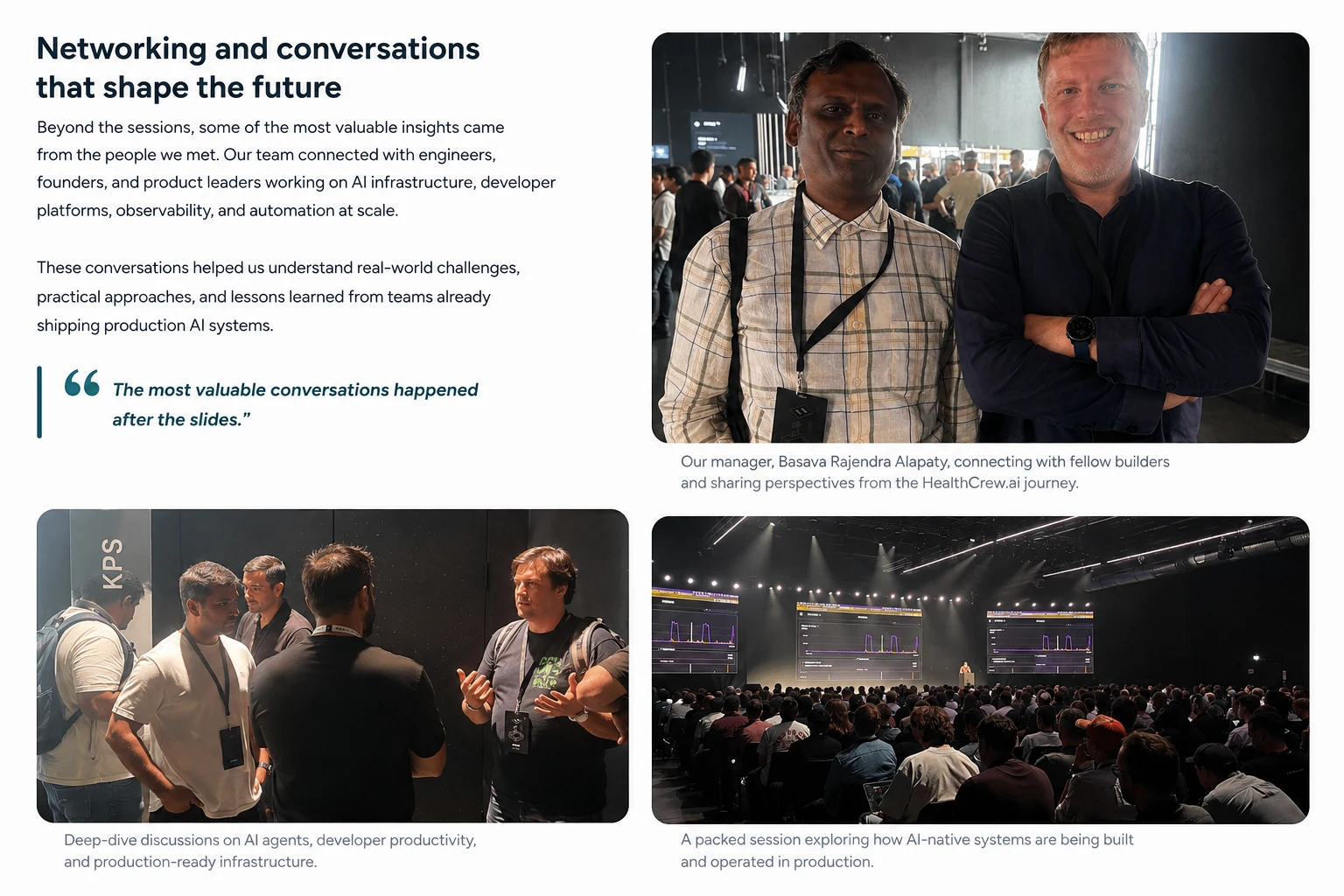
The networking was valuable because it was specific. We spoke with engineers and builders thinking through the same problems from different angles: evaluating agents, controlling tool access, measuring support automation, avoiding runaway complexity, and helping product teams trust AI systems in live workflows.
"The most useful event conversations happen when the slide ends and the implementation details begin."
Workshop learnings
In the afternoon, Bhargav and Bharath chose the workshop because it promised something practical: a full-stack agentic application rather than another conceptual overview. From 3:00 PM to 4:00 PM, they worked through an architecture using v0 and Amazon Bedrock, with a Next.js frontend, FastAPI backend, Vercel AI Gateway, and the Python AI SDK.
The value was in seeing the pieces connect: scaffolding with v0, a Next.js interface, a FastAPI service boundary, Bedrock model access, Gateway routing, and local development commands that support quick iteration. It made the production path feel more concrete.
The workshop also covered Sentry CLI for developers and agents. That was especially relevant because debugging a multi-step agent workflow is different from debugging a normal request-response application. When an agent fails, the team needs to know whether the issue happened during a tool call, retrieval step, model response, downstream action, permission boundary, or exception path.
Afterwards, Bhargav and Bharath regrouped with the rest of us and shared what they had learned. Bharath also had a conversation with Abhi Sivasailam, VP Data at Vercel, which broadened the discussion into applied AI, metadata extraction, and the way language models can support structured work when paired with thoughtful domain context.
After the closing keynote
The closing keynote brought the day back to the larger direction of travel: AI is becoming part of how applications are designed, operated, tested, and supported. The announcements were interesting, but the more important signal was the mindset shift. Teams are beginning to treat AI as a runtime concern, a product concern, and an organisational concern at the same time.
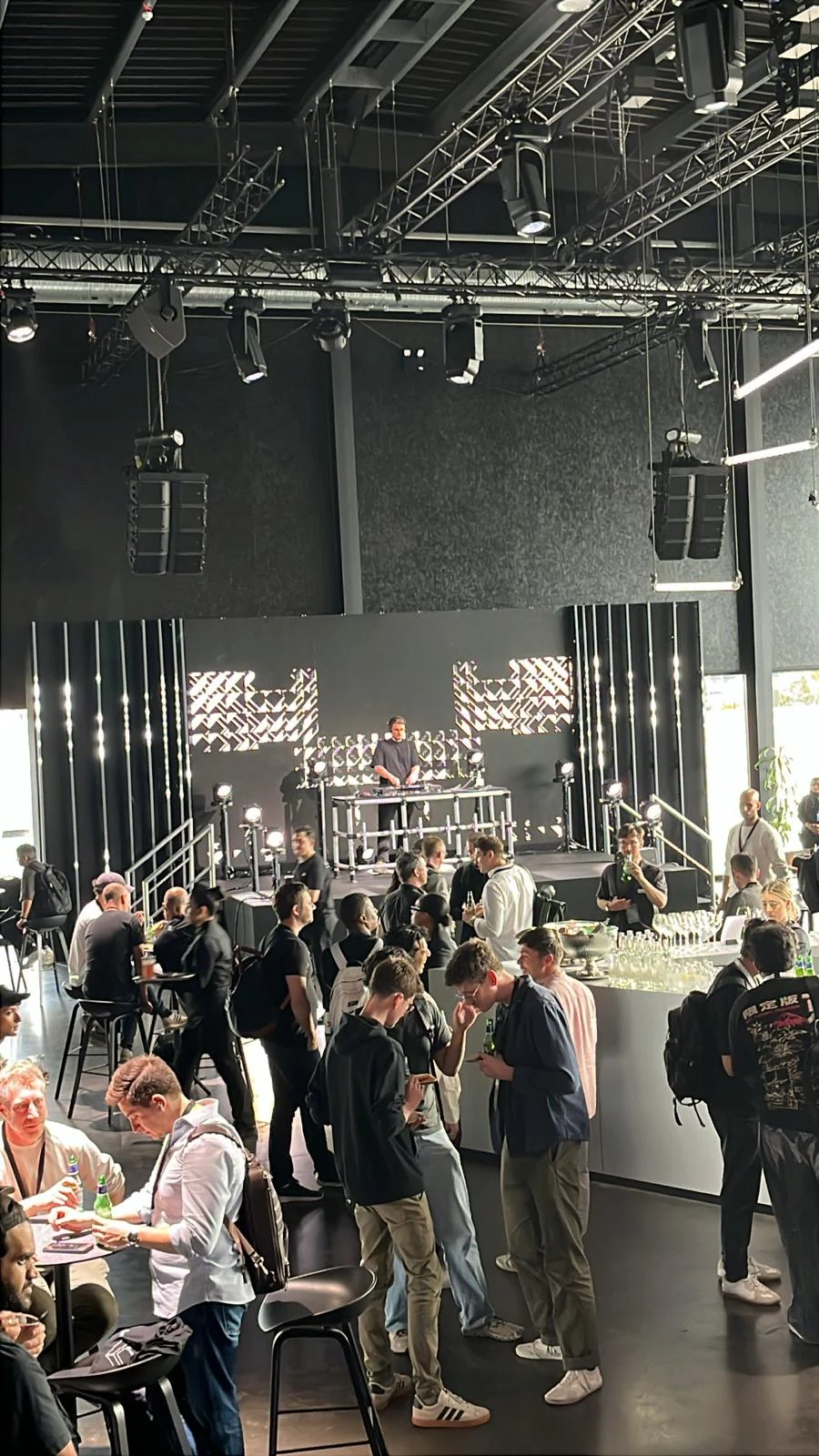
As the formal sessions wrapped up after 4:00 PM, the day moved into a more relaxed rhythm. We stayed back for dinner, drinks, and a few final conversations, using the time to reflect on what we had heard and where it could influence our ongoing work.
Why this matters for HealthCrew.ai
For HealthCrew.ai, the value of Ship London was not in chasing every new tool. It was in seeing patterns that could shape future healthcare technology: workforce workflows, candidate onboarding, credential verification, compliance automation, AI-assisted analytics, secure data access, recruitment workflows, and scalable healthcare platforms.
These are future opportunities, not claims about live features. The practical lesson is that AI-native platforms will need strong product judgment, strong infrastructure, and strong governance working together. Healthcare technology has to be careful and ambitious at the same time: careful because trust and compliance matter, ambitious because too many workflows still ask skilled people to spend time on repetitive operational work.
Highlights from Vercel Ship London
Closing reflection
Vercel Ship 26 London stayed with us because it made the next phase of software feel more concrete. AI is no longer something that sits beside the application as an add-on. It is becoming part of how applications reason, act, observe, test, and improve.
For engineering teams, that changes the work. It asks us to think about infrastructure, security, product design, data access, and user trust together. For healthcare technology, it raises the challenge we care about most: how do we build systems that are more helpful without becoming less accountable?